Start with how you operate.
Your own authority and a lease to another motor carrier create different insurance considerations.
- Operating authority or lease details
- Truck and trailer information
- Commodities and operating radius
Trucking insurance
Trucking insurance for Connecticut owner-operators and fleets: commercial auto, cargo and physical damage. Discuss operating states, vehicles and filings. Call 203-927-3198
For the
miles ahead.
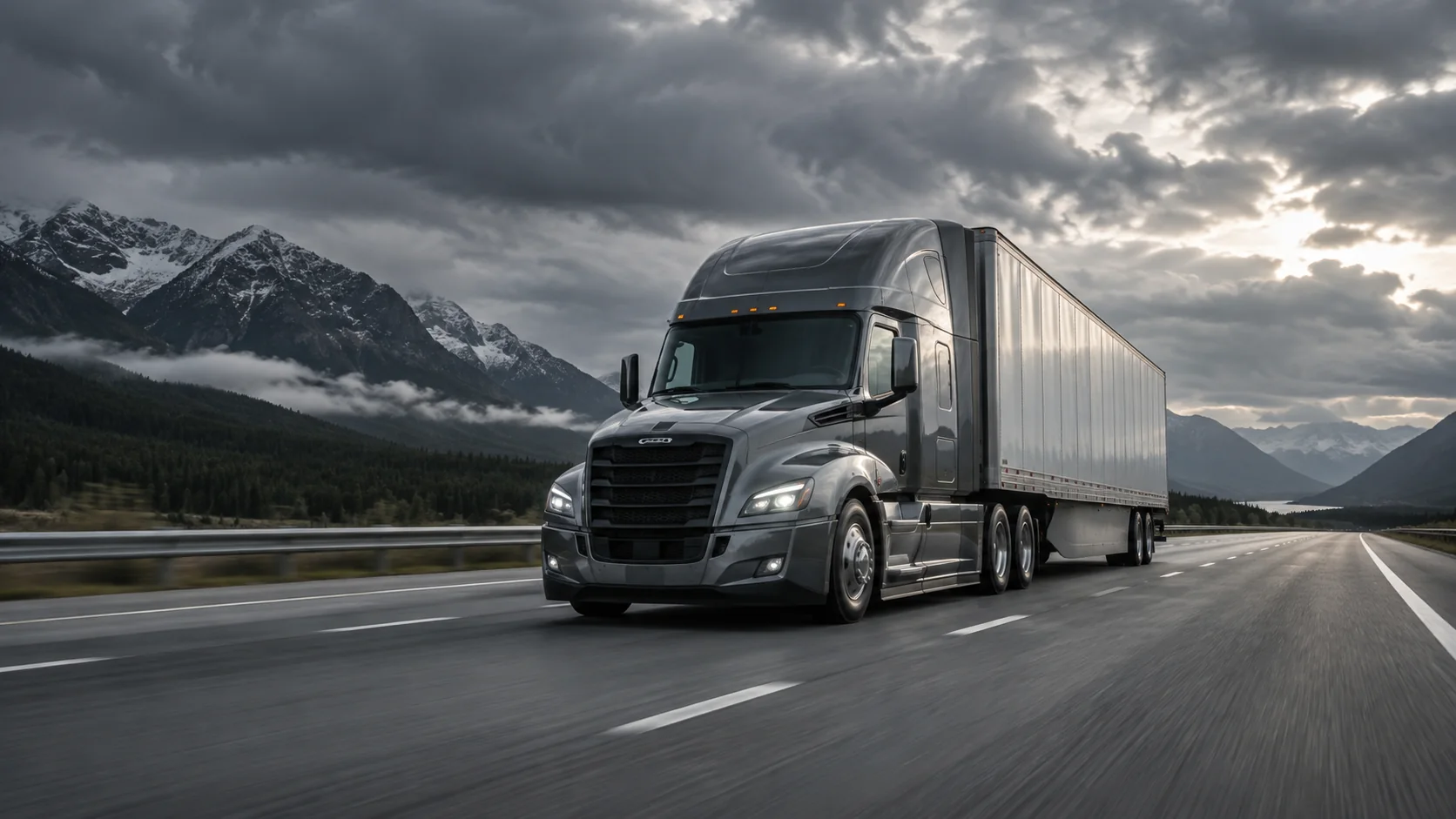
Trucking insurance for owner-operators and growing fleets. Review vehicles, drivers, cargo and operating radius with coverage tailored to your operation.
Explore the context
Choose the context that best fits your business. Coverage depends on underwriting and policy terms.
Individual terms apply
Your own authority and a lease to another motor carrier create different insurance considerations.
A useful fleet review brings vehicles, drivers, routes and operating history together.
A focused review
What you haul, where you travel, who drives and how you operate all matter. We use those details to review available insurance options. Authority and compliance support is a separate service below.
A closer look
Select a topic for details and preparation notes.
Review liability limits and applicable insurance filing needs for your trucks, drivers and operation.
Key review points
Discuss the commodities you haul, maximum load value and contract requirements. Covered property, exclusions and conditions vary by policy.
Key review points
Explore collision and comprehensive options for eligible tractors and trailers, including values and deductibles.
Key review points
Liability coverage for certain non-business use of a truck leased to a motor carrier. It is not a substitute for primary commercial auto liability. Review your lease and how the vehicle is used; driving without a trailer does not by itself determine coverage.
Key review points
Review physical damage coverage for non-owned trailers in your possession under a trailer interchange agreement. Contract obligations, trailer values, covered causes of loss and deductibles matter.
Key review points
Discuss business liability and additional coverage needs alongside your commercial auto program. Availability depends on underwriting and policy terms.
Key review points
Separate business services
Need help establishing or maintaining your operation? Explore these services separately from your insurance request.
Coordinate USDOT and MC registration plus BOC-3, UCR and other operating registrations as applicable to the operation. Movement permits are handled as a separate business service.
Key review points
Place commercial insurance and coordinate applicable filings with the coverage conversation.
Key review points
Create a more organized operating foundation around recurring compliance work.
Key review points
Business services / What to expect
Service needs depend on your business structure, operating states and activities.
Establish the business structure and basic operating foundation.
Address USDOT and MC registration plus BOC-3, UCR, IFTA, and IRP as applicable.
Design coverage and coordinate applicable insurance filings.
Build practical support around documentation, program requirements, and readiness.
Revisit authority, coverage, compliance, and operating changes over time.
Regulatory approval, carrier underwriting, and filing timelines vary.
Next step Start with what matters to you
Coverage is subject to carrier availability, underwriting and policy terms. Authority and compliance services do not guarantee regulatory approval.
Compare owner-operator and small-fleet insurance, discuss USDOT and MC authority setup, or review snow plow insurance if trucks also perform seasonal work.